


GCC wealth reaches record high of 8 trillion
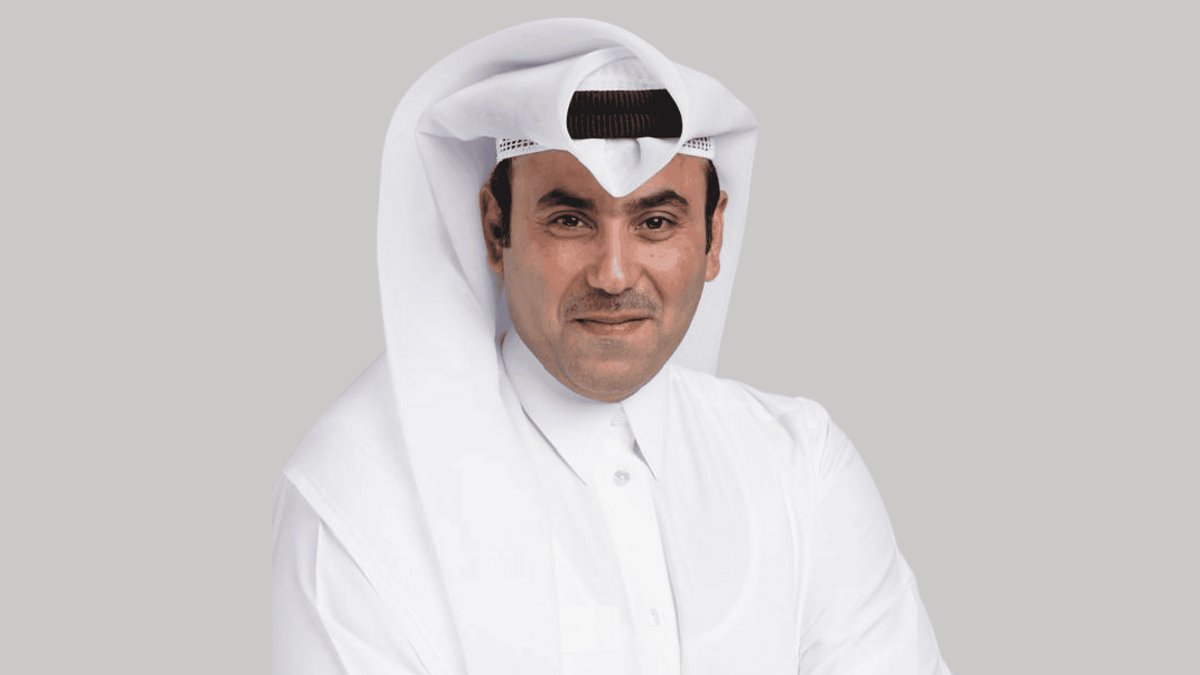
Abdulla Hashim A M Al-Sada, Senior Executive Vice President, Group Asset and Wealth Management, at QNB Group, explains that as GCC wealth expands and investment choices multiply, global diversification, active management and disciplined stewardship are becoming essential to preserving wealth and creating value across generations.
The world is creating more wealth than ever before, but protecting and growing it has become increasingly challenging. BCG’s Global Wealth Report 2026 found that global financial wealth increased by 10.7% in 2025 to US$333 trillion, its highest rate of growth since 2021.
The Gulf Cooperation Council (GCC) is also becoming more prominent. The region’s total wealth reached an estimated US$8.6 trillion in 2024, while EY’s GCC Wealth Management Industry Report 2025 estimated that more than 200,000 individuals across the region qualify as ‘high net worth’ (HNW).
The GCC’s Growing Role in Global Wealth
Amid this trend, around half of the private wealth in the GCC remains tied to real estate, highlighting an opportunity for greater diversification across assets and markets. QNB’s private banking and wealth management clients are moving beyond traditional equity and fixed income allocations towards broader diversification strategies.
For example, interest is growing in alternative investments, international opportunities and actively managed solutions that can respond to changing market conditions. The GCC’s emergence as an international wealth hub reflects the broader transformation taking place across its economies.
Investment in technology, infrastructure, financial services, tourism and advanced industries is widening the range of opportunities available to investors and strengthening the region’s connections with markets across Asia, Africa and Europe.
Related Post: Dutch Pension Reforms Shake Europe’s Long-Bond Market
From Portfolio Allocation to Active Stewardship
As the investment universe expands, diversification is no longer limited to simply holding a mixture of listed equities and fixed income instruments. Investors increasingly require portfolios diversified across geographies, currencies, sectors, asset classes and investment horizons.
This is driving demand for alternative investments as investors look for new sources of return and greater portfolio resilience. According to EY’s GCC Wealth Management Industry Report 2025, 69% of wealthy clients in the Middle East hold alternative investments.
This supports what QNB’s clients are experiencing, with growing interest in private markets, structured solutions and thematic opportunities that can enhance diversification and provide attractive risk-adjusted returns.
Combining Global Access with Regional Expertise
For HNW individuals and family offices, their objectives often extend beyond investment performance. These may include capital preservation, liquidity planning, succession, or the responsible stewardship of family assets. Such priorities are becoming more pronounced.
EY estimates that approximately 500,000 older individuals across the GCC could transfer around US$438 billion to their heirs by 2030, increasing the importance of multigenerational wealth planning. To meet the evolving needs of HNW individuals, global reach provides access to a wider universe of investments, specialist expertise and institutional relationships.
At the same time, regional knowledge allows advisers to understand local market structures, emerging opportunities and individual client priorities. Together, these capabilities support portfolio strategies that are globally diversified while remaining relevant to each client’s circumstances.
Related Post: Indonesia market entry tips from expert
QNB Group is well positioned. As a leading financial institution in the Middle East and Africa, with a presence in over 28 countries across Asia, Europe and Africa, the Group combines international market access with deep regional knowledge.
A More Active Approach to Long-term Wealth
The next phase of wealth management will be more globally diversified, actively managed and advisory-led. This degree of monitoring is essential; while investors will continue to seek wider access to international and alternative opportunities, they will also require greater discipline in how those opportunities are evaluated and integrated into their portfolios.
The GCC is well placed to play a growing role in this evolution. Its expanding wealth base, economic transformation, financial capacity and international connectivity are strengthening its position as both a destination for capital and a centre for long-term wealth creation.
Ultimately, successful wealth management depends on the ability to combine global access with regional understanding and investment opportunity with disciplined stewardship. Institutions that combine these capabilities will play an increasingly important role in helping clients preserve their wealth, create enduring value across generations, and manage complexity.
Similar situations have shown that a strong understanding of local market structures and individual client priorities is key to providing effective wealth management solutions. By combining global access with regional expertise, institutions can provide tailored solutions that meet the unique needs of their clients.
In the context of the GCC, this means having a deep understanding of the region’s economic transformation and its impact on investment opportunities. It also means being able to provide access to a wide range of investments and specialist expertise, while maintaining a strong focus on disciplined stewardship and risk management.


