


Gulf states bet big on Syria’s trade revival
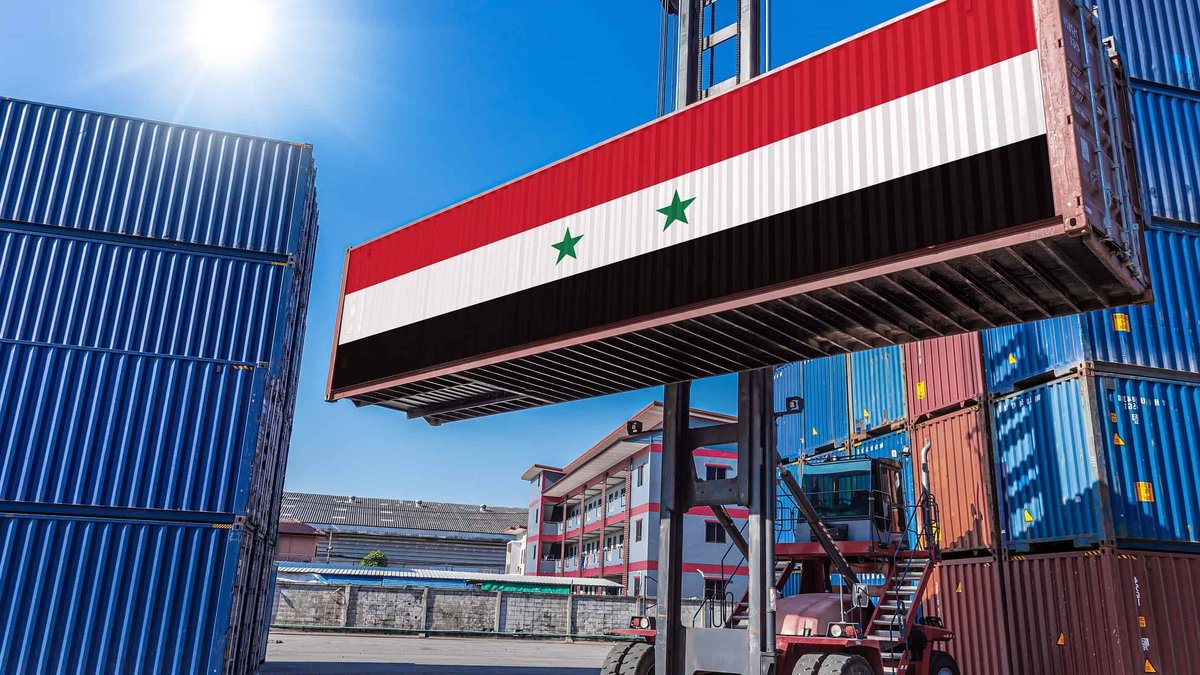
Syria’s ports are becoming a key link in Gulf-to-Mediterranean trade, as investors rush to build routes bypassing the Strait of Hormuz. Traffic at Syrian ports has surged at least 25% since March 2026, with 945 ships carrying 8 million tons of cargo passing through in the first half of the year alone. The shift reflects a broader push to diversify supply chains away from the volatile Hormuz chokepoint, where tensions have repeatedly disrupted shipping.
At Tartus, Dubai-based logistics firm DP World has committed $800 million to a 30-year concession to upgrade port facilities. Three new harbor cranes delivered this summer will increase cargo-handling capacity by 40% and allow larger vessels to dock. The project aims to position Tartus as a modern gateway for Gulf exports heading to North Africa and Europe.
Further north, CMA-CGM, the French shipping giant with ties to Syria’s coast, secured a $265 million contract to modernize Latakia’s port. In May, the company also signed deals to operate dry ports near Damascus and Aleppo, reinforcing land connections between Syria’s largest cities and maritime hubs.
Beyond ports, new infrastructure is reshaping Syria’s role in regional trade. In August, U.S. firm UNIFI signed a deal for a 149-mile submarine cable connecting Cyprus and Tartus, accelerating data flows between the Gulf and Europe. Airport renovations and pipeline projects are also underway, integrating Syria into broader economic networks.
Read Also: Bank of China Expands Green Finance Portfolio
The investments follow Syria’s political realignment after the end of its civil war. Since President Ahmad al-Charaa took office in December 2024, the U.S. has removed Syria from its list of state sponsors of terrorism, easing sanctions. Gulf states, led by Saudi Arabia and the UAE, have pledged billions in reconstruction funding, though few projects have materialized on the ground.
For now, trade volumes remain a fraction of pre-2011 levels, with Gulf investments more about securing long-term access than immediate returns.
Russia’s decision in August to return civilian infrastructure in Tartus to Syrian control signals a shift from military to commercial use. The port, once a Russian naval base, is now operated by a global logistics firm—a reflection of Syria’s evolving priorities. Yet the risks persist: while the war is over, the coast remains a volatile place for business.


