


BP CEO Faces Timing and Black Swan Challenges
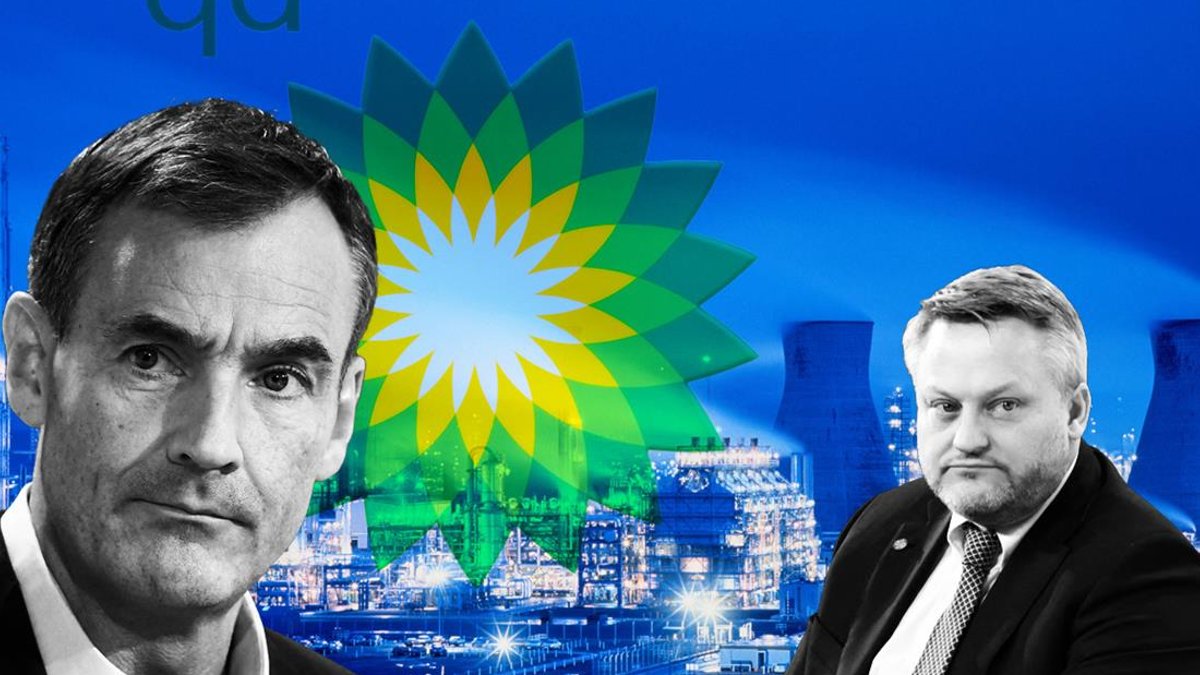
When Murray Auchincloss steps onto the stage next February to outline the long‑term plan for the British oil major, investors will be asking three simple questions: what is the company, what does it aim to become, and how will it get there?
Past leadership and costly missteps
Since its founding in 1909, the group has seen a revolving door of CEOs, many of whom left under a cloud of controversy. The first half of the 1990s saw a cost-cutting drive that slashed head-office staff but failed to shield the business from the 1991 oil-price slump triggered by the Gulf War.
By the time John Browne took over in 1997, he introduced a brand shift that emphasized sustainability. However, the Deepwater Horizon disaster of 2010 added another layer of damage, costing the oil major more than $65bn.
More recently, a former chief’s 2020 net-zero pledge was derailed by two black-swans: the pandemic and Russia’s invasion of Ukraine. The company exited its stake in Rosneft at an estimated loss of $25bn, a move that satisfied sanctions but strained the balance sheet.
Related: Companies Shift From Firefighting to Model Reinvention
Auchincloss’s “value not volume” roadmap
The incoming leader has pledged to simplify the business, focusing on cash flow rather than production tonnage. Key actions include a proposed $2bn sale of an American onshore wind portfolio, a hiring freeze, and a broad cost-saving program of similar magnitude.
At the same time, the oil major is pushing ahead with new oil and gas exploration projects, while pausing many hydrogen and wind initiatives. It has also enlisted a major bank to scout partners for an offshore wind venture, hinting at a possible minority-stake sale.
Investors have largely welcomed the shift, though some pension funds warned that the climate strategy must not be diluted under the new regime.
In the midst of these moves, the plan feels like a half-cooked sandwich—there’s substance, but the flavor isn’t quite balanced yet.
Related: Alibaba AI Wins as Qwen Hits 700 Million
Comparing this turnaround to the post-Deepwater Horizon restructuring of a rival, it appears that rapid divestments can stabilize cash flow but may also erode long-term strategic depth. History shows that a measured pace often yields steadier shareholder returns, especially when market sentiment remains volatile.
A recent market snapshot shows the oil major’s valuation at less than one-third of a peer with similar revenue, indicating that the market remains skeptical despite the announced changes.
All told, the upcoming presentation will test whether the new chief can steer the company through a setting of investor expectations, regulatory pressure, and the lingering shadow of past catastrophes.

Companies Shift From Firefighting to Model Reinvention


