


AI Agents Could Boost Customer Service
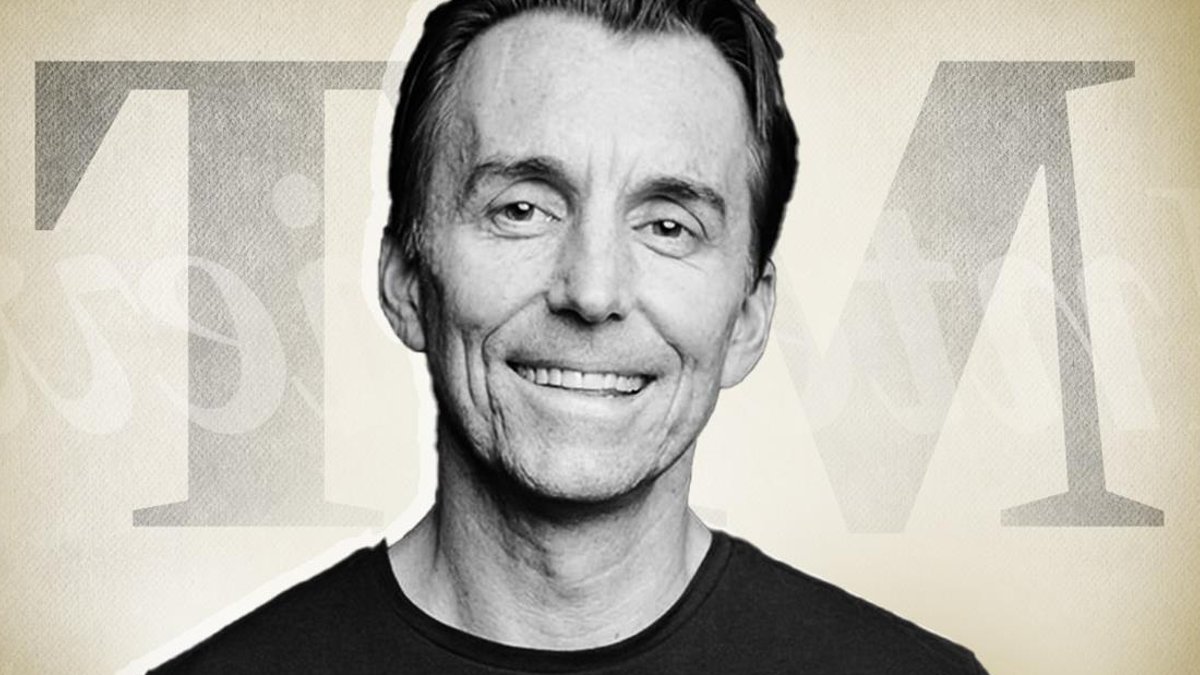
When CEO Zig Serafin announced the introduction of Qualtrics’ new agentic AI offering earlier this year, he framed the milestone as a “radical” step forward in the company’s mission to “make every connection count”.As a call to action this might sound corny, but for Qualtrics it reflects a key principle – that it is precisely in the details of companies’ everyday interactions with customers and employees that loyalty and engagement are forged, or undone.Founded in a Utah basement by Scott Smith, his sons Ryan and Jared, and friend Stuart Orgill in the early noughties, the software company initially gained prominence as an online survey tool focused on academic research, before expanding into the business world.Over the years, Qualtrics has built out its offering in ‘experience management’ – the category it says it pioneered – into a full, AI-driven platform that allows companies to survey customers and employees, track online behaviour, and analyse the resulting data. On the customer side, for example, Qualtrics will both engage individuals in conversation directly, and monitor language in social posts, contact centre calls and support chats, as well as behaviour on websites and apps, to identify pain points with the goal of enabling better experiences.Former Microsoft veteran Serafin became CEO in 2020 and led the company through its 2023 acquisition by US private equity group Silver Lake and Canada’s largest pension fund, CPP. The $12.5bn deal represented a 73% premium to Qualtrics’ trading price before previous owner SAP made its plans to divest its 71% stake public – and brought the company back into private ownership after a two-year stint on the Nasdaq.This March, at its flagship X4 Experience Management Summit in Utah, Qualtrics unveiled its new Experience Agents, which Serafin claims serve a unique function compared with other agentic AI offerings on the market. “Most…[agentic AI companies] are focused on improving efficiency, reducing cost of labour and reducing the amount of time that’s spent on remedial tasks, for example. None of them are really focused on building deeper connections with people and understanding people in more effective ways.”The company says its “highly specialised” AI agents will interact directly with customers and employees in “personalised, proactive and empathetic ways”, acting autonomously across diverse channels and touchpoints to fix or improve experiences based on individual preferences and needs.Management Today met with Serafin at Qualtrics’ Waterloo WeWork ahead of the company’s European X4 conference, to hear about the evolution of its offering and how AI is set to further disrupt the world of work.Qualtrics claims its customer and employer insights amount to the “largest database of human sentiment in the world”. How do you use this knowledge to create better experiences?We help an organisation understand a person – their preferences, their interests, what drives frustration for them – and then we put…[those insights] into action. And these days, it’s using AI to intervene in the moment. So for example, [using Qualtrics] an app can pick up where it last left off with you in terms of your relationship. If you had a disappointing order or a disappointing experience previously, it can better tailor the experience to not only recover, but maybe help exceed your expectations. So you learn more about the human being, and then you take better actions.What about when it comes to in-store experiences?KFC, for example, is using us at more than 13,000 locations around the world today. It is able to tailor experiences based on regions, based on customer demographics, all the way down to the level of the individual store. On the employee side, for example, it can schedule shifts more effectively based on what it might find to be preferences. Or it can adjust menus as a result [of our data].How is agentic AI disrupting what you offer? Our new Experience Agents are designed to help you be
Related: BP CEO Faces Timing and Black Swan Challenges
Related: Companies Shift From Firefighting to Model Reinvention

BP CEO Faces Timing and Black Swan Challenges


