


Hungary’s opposition wins landslide after Orbán’s eight-year rule
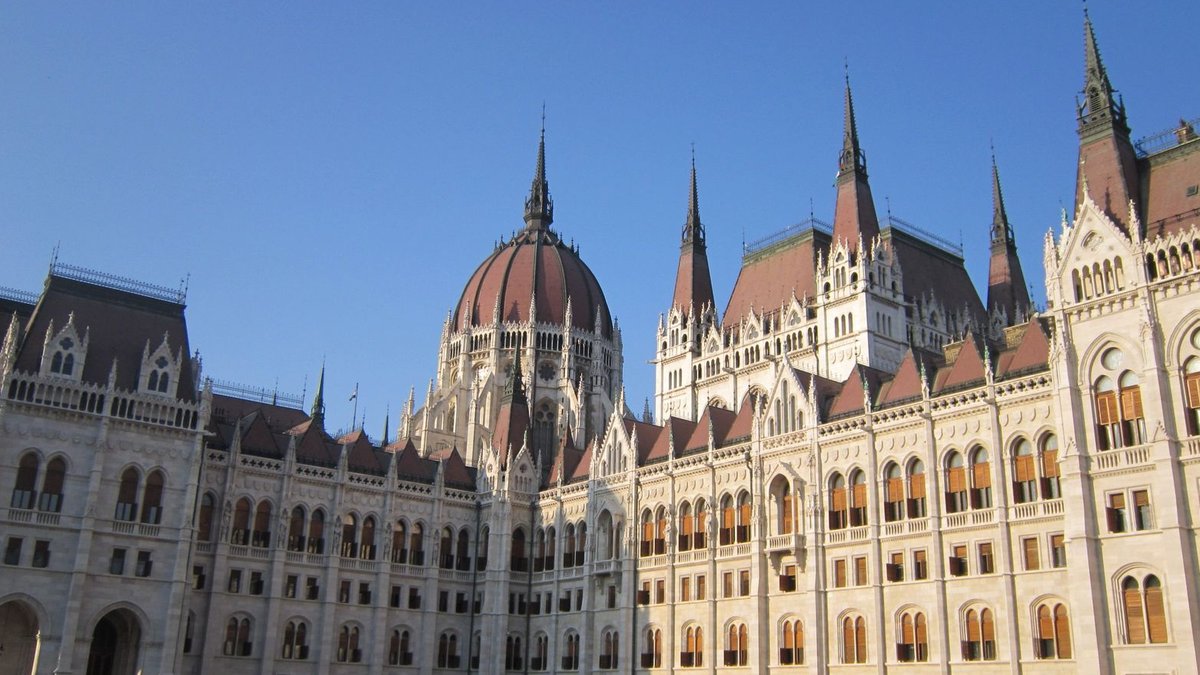
Hungary’s April election marked a rare political shift in Europe, though its consequences for the continent’s far-right movement may prove more limited than early reactions implied. After eight years in power, Prime Minister Viktor Orbán lost his parliamentary majority to the opposition Tisza party, which secured a landslide victory. The result has fueled debate over whether this outcome signals a broader decline in far-right influence or merely a domestic correction after a decade of Orbán’s leadership.
Domestic concerns dominated voter priorities, with rising living costs, housing affordability, and family stability shaping electoral decisions. Orbán’s campaign had framed its warnings of war and societal collapse as central, but these issues failed to resonate as strongly at the ballot box. The election’s focus on local economic pressures suggests that far-right movements may struggle to translate ideological appeals into sustained national victories without addressing tangible economic grievances.
Orbán’s international standing within Europe’s hard-right bloc has often been exaggerated. While his authoritarian governance and anti-liberal rhetoric attracted support across the continent, few far-right parties matched his determination to reshape democratic institutions. Most operate within stricter constraints, prioritizing cultural grievances over systemic transformation. This distinction implies that Orbán’s political setback may have minimal impact beyond Hungary’s borders.
The election’s outcome also weakens the assumption that far-right success depends on transnational coordination. Orbán’s brand of populism combined nationalism with economic promises, but his opponents in the Tisza party relied more on conventional center-right policies. The absence of a clear ideological confrontation in Hungary undermines the idea that the election reflected a broader European political realignment.
Europe’s far-right remains fragmented, with Orbán’s allies in parties failing to replicate his dominance. Newer movements lack the organizational strength to sustain long-term influence. The aftermath of Hungary’s election may reveal a disconnect between Orbán’s exceptional political model and the realities of far-right politics in other European countries.
Separate reporting this month highlights systemic challenges in the European Union, including stalled infrastructure projects such as a delayed railway in the Baltic states. These delays expose deeper flaws in the bloc’s ability to deliver on defense and transportation commitments. Additional analyses explore how artificial intelligence is reshaping modern warfare and whether Europe’s energy crisis could have been mitigated with earlier policy interventions.


