


Pro-Russia Dodik’s party wins Bosnia election, EU ties strained
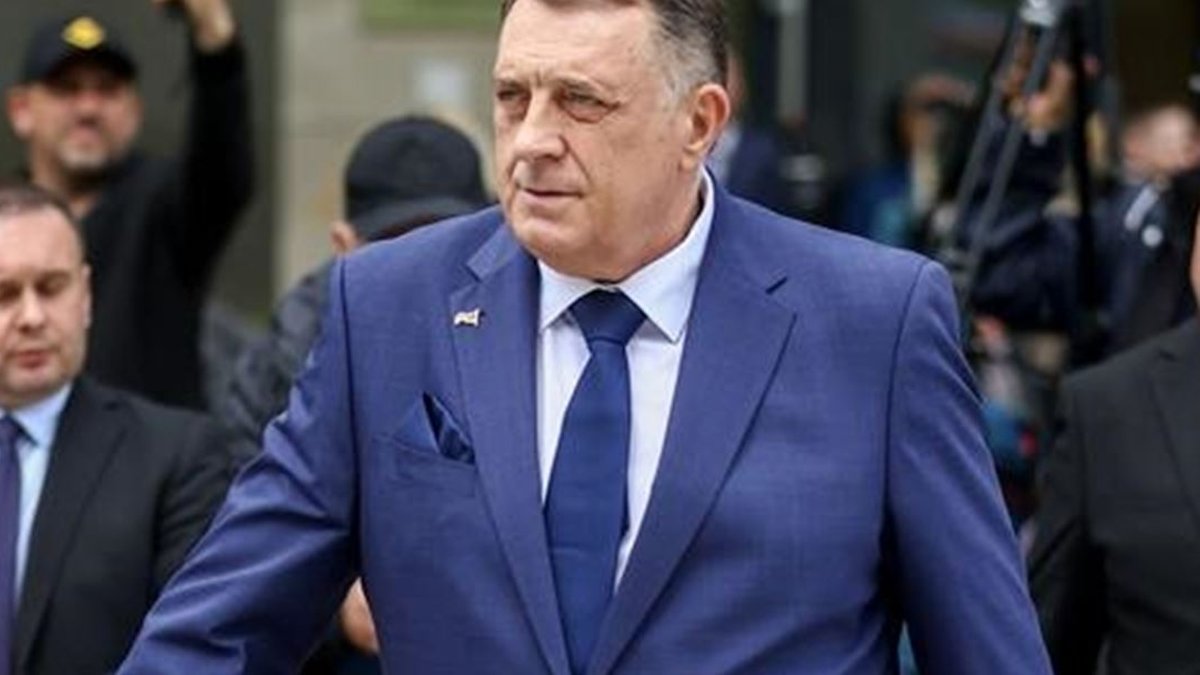
Voters in Bosnia and Herzegovina’s Serb region have backed a nationalist party advocating for secession, led by Milorad Dodik. His Alliance of Independent Social Democrats (SNSD) secured over 55% of the votes in the recent elections, which were designed to elect the country’s tripartite rotating presidency and national parliament, aiming to balance the interests of its three main ethnic groups.
This outcome is seen as a setback for the country’s EU membership aspirations. Bosnia and Herzegovina applied for EU membership in 2016 and received candidate status in 2022, amid heightened political urgency following Russia’s invasion of Ukraine. However, progress has been slow, with stalled reforms complicating its path to integration.
A divided nation
Since the 1995 Dayton Peace Agreement ended the Bosnian War, the country has been split into two autonomous entities: the Federation of Bosnia and Herzegovina (mainly Bosniak and Croat) and the Serb-dominated Republika Srpska. This division, situated between Croatia, Serbia, and Montenegro, has persisted along ethnic and political lines, with Dodik’s campaign exploiting anti-EU sentiment among ethnic Serbs.
Dodik’s campaign capitalized on anti-EU sentiment among ethnic Serbs, who oppose deeper integration with the EU and NATO.
Read Also: Ireland Takes EU Council Presidency Amid Budget Talks
The election result is likely to strain relations between the EU and Bosnia’s Serbs. Tensions were already high after several Bosnian politicians, including opposition figures, attended the funeral of Ratko Mladić, the Bosnian Serb general known as the “Butcher of Bosnia” for his role in atrocities during the war.
Dodik’s political resilience
Despite international efforts to end his career over corruption allegations and attempts to undermine Bosnia’s constitutional order, Dodik has remained a dominant political figure. The 67-year-old SNSD leader has headed the party since its founding in 1996 and became Republika Srpska’s prime minister in 2006, cementing his influence.
Last year, he received a one-year prison sentence and a six-year ban from running for office for defying orders from Bosnia’s international High Representative. However, he avoided jail by paying a fine and continued to lead his party, remaining a central figure in Republika Srpska’s politics.
Former U.S. President Donald Trump lifted sanctions against Dodik and his family, a favor Dodik publicly acknowledged, crediting Trump for his political survival.
Read Also: EU gains power to regulate AI models
The election’s low turnout—only 42%—is the lowest since the Bosnian War ended. This suggests widespread disengagement and frustration with the political establishment, with many voters staying home due to perceived stagnation and lack of change.
With Dodik’s party back in power, the path to EU membership appears more challenging. The EU has provided significant financial support to Bosnia, including €140.5 million in non-repayable grants in August. The EU has also made as much as €373 million available conditional on reforms. Analysts warn that the country’s central institutions may weaken further under the new government, rather than pursuing outright secession.
International reactions and implications
The election result has drawn significant international attention. Vedran Džihić, a political scientist at the University of Vienna, described Dodik’s victory as “a slap in the face to the European Union.” He highlighted the stalled progress on reforms needed for EU membership, noting that Dodik’s return to power will make passing these reforms even more challenging, particularly judicial overhauls.
The EU’s “enlargement month” coincides with this development, as Brussels prepares to outline a roadmap for the next wave of enlargement. Despite the Commission’s renewed push for expansion, plans to grow the 27-member bloc have languished for decades. This slow progress has left countries like Bosnia skeptical about their prospects.
Read Also: Sage unveils data-driven musical AI transparency demo
Ambassador Luigi Soreca, head of the EU delegation, warned that Bosnia risks losing €373 million in conditional funding by the end of the year if no action is taken on reforms. Dimitar Keranov, a Balkans specialist at the German Marshall Fund, emphasized that the real test lies in the new government’s ability to deliver on reforms. He predicted four more years of internal state weakening rather than immediate secession.
Low turnout and public sentiment
The election saw the lowest voter turnout since the end of the Bosnian War, with only 42% participation, down from 51-52% in 2022. This reflects widespread disengagement and frustration with the political establishment, with many voters feeling that nothing changes regardless of who is in power.
Analysts interpret the low turnout as a sign that more than half of eligible voters, out of 3.4 million, have grown disillusioned with politics. Džihić suggested that many stayed home due to frustration with the lack of change and the perceived sameness of political parties.


