


EU-China trade talks risk safeguard measures
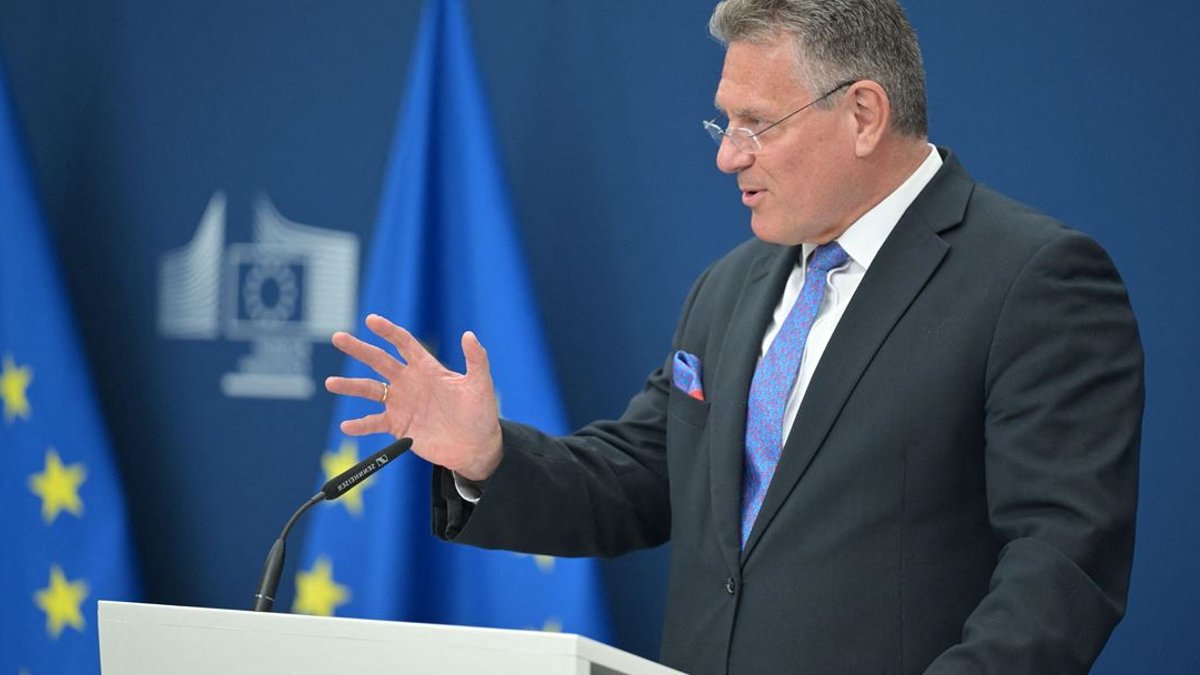
Trade Commissioner Maroš Šefčovič faces pressure to secure a deal in Beijing after days of negotiations with China’s Commerce Minister Wang Wentao. The EU’s trade deficit with China reached €359.9 billion last year, deepening concerns about industrial decline in key sectors like automotive, pharmaceuticals, and aviation. Economic analysts argue that persistent imbalances risk accelerating deindustrialization and fueling political shifts toward far-right movements across member states.
Šefčovič emphasized on social media that the first phase of the Trade and Investment Consultations must deliver measurable outcomes. However, China has already signaled resistance to the EU’s push for voluntary export limits on hybrid vehicles, a demand that could derail progress. If talks fail, the European Commission may initiate safeguard investigations targeting hybrid cars, chemicals, and other vulnerable industries.
Emilie Kerstens, an associate director at Flint Global, explained that safeguard probes typically take months to complete, giving diplomats time to explore alternatives while economic pressure mounts.
France and Germany have taken a rare united stance by proposing a new trade-defense mechanism to counter imports that distort European markets. The joint paper reflects a strategic shift, as the two nations have often held opposing views on trade policy. Yet critics question whether the EU possesses the necessary tools to counter Chinese retaliation, particularly without access to critical resources like semiconductors or minerals, which the U.S. can leverage in negotiations.
Penny Naas of the German Marshall Fund raised concerns about whether EU member states have sufficient stockpiles to withstand potential Chinese countermeasures. Without preparedness, even targeted safeguards could provoke broader economic retaliation. The issue will be a key topic at next week’s European Council summit in Brussels, where leaders must decide whether to escalate protections or pursue further diplomatic efforts.
The European Commission’s Circular Economy Act seeks to establish a unified market for recycled materials, but industry observers argue the plan overlooks the need for collaboration with major producing nations.


