


Nvidia Shares Rise on China Import Approval
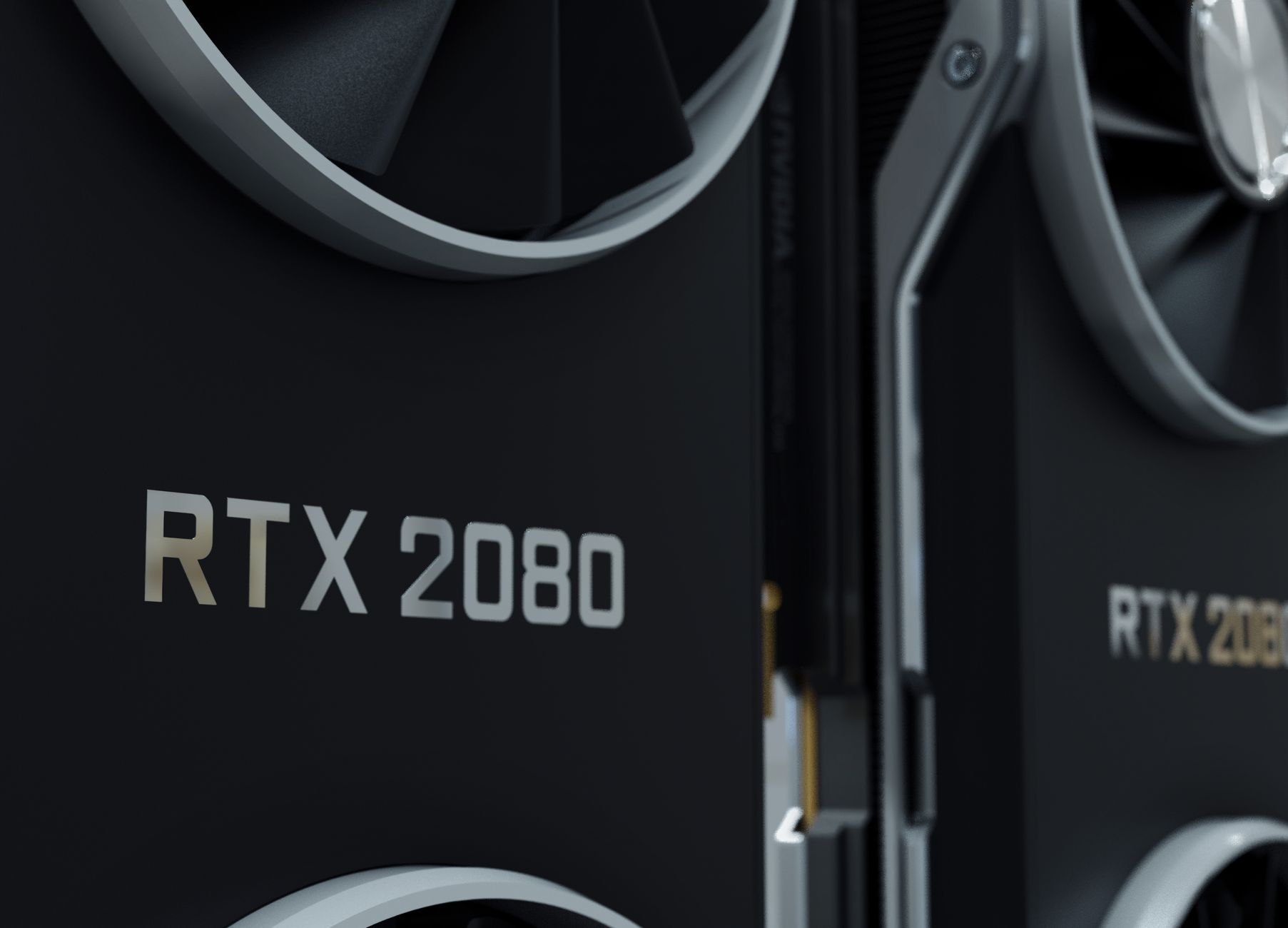
Nvidia stock rose on Tuesday after reports that Chinese regulators have approved the import of the company’s H200 artificial‑intelligence chips, a move that could restore a lucrative market segment for the chipmaker.
Approval covers 400,000 H200 chips
According to the filing, the first batch of approvals allows more than 400,000 H200 units to be shipped to China, an estimated $10 billion in sales. The three firms named as the initial buyers are ByteDance, Alibaba and Tencent. A queue of other domestic companies is forming, but regulators are expected to attach conditions.
Beijing is reportedly imposing a “bundle ratio” that will require importers to buy a set share of local AI chips, such as Huawei’s Ascend line, for each Nvidia unit purchased. The requirement is meant to protect the domestic chip industry, which has been developing alternatives amid U.S. export controls.
H200 performance and market impact
The H200 chip delivers roughly six times the compute power of the older H20 model that was previously available to Chinese customers. Its capabilities are aimed at training large language models that compete with offerings from firms like OpenAI.
Former President Donald Trump said the export license permits the chips “under conditions that allow for continued strong National Security,” adding that “President Xi responded positively.” The license specifically covers the H200 accelerator, which is Nvidia’s second‑most powerful AI processor.
More advanced families, including the Blackwell and forthcoming Rubin series, remain barred from export, preserving a technology edge for the United States.
Related: Ledger wallets unaffected by data incident
From a practical standpoint, the approval could mean Chinese data‑center operators finally have access to hardware that matches the speed required for cutting‑edge AI research, reducing reliance on slower, domestically produced alternatives. That shift may also temper the incentive for firms to develop costly work‑arounds to bypass export rules.
Company statements and prior challenges
Nvidia’s chief executive, Jensen Huang, has urged the U.S. administration to relax restrictions, arguing that overly strict limits push China toward faster domestic chip development, which could erode the U.S. lead. The firm has warned that losing the Chinese AI accelerator market, projected to grow to nearly $50 billion, would have a material adverse effect on its business.
During the fiscal Q1 2026 earnings call, CFO Colette Kress said the loss of access to China would benefit foreign competitors worldwide. Allegations that top‑tier chips have been smuggled into China via complex routes involving third‑country data centers were denied, with no substantiation found.
Revenue billed through Singapore has drawn scrutiny, but Nvidia clarified that the invoicing location does not reflect the physical destination of the chips. Singapore’s Ministry of Trade and Industry noted that shipments to Singapore constitute less than one percent of the billed amount, and investigations are ongoing to ensure compliance with export controls.
The approval marks a positive development, yet China’s “civil‑military” fusion policy continues to integrate private‑sector technology with the People’s Liberation Army. The government asserts that data collection complies with its laws, despite foreign concerns over privacy and security.

Alibaba stock surges on T-Head listing report


