


Tesla deliveries fall sharply across Europe
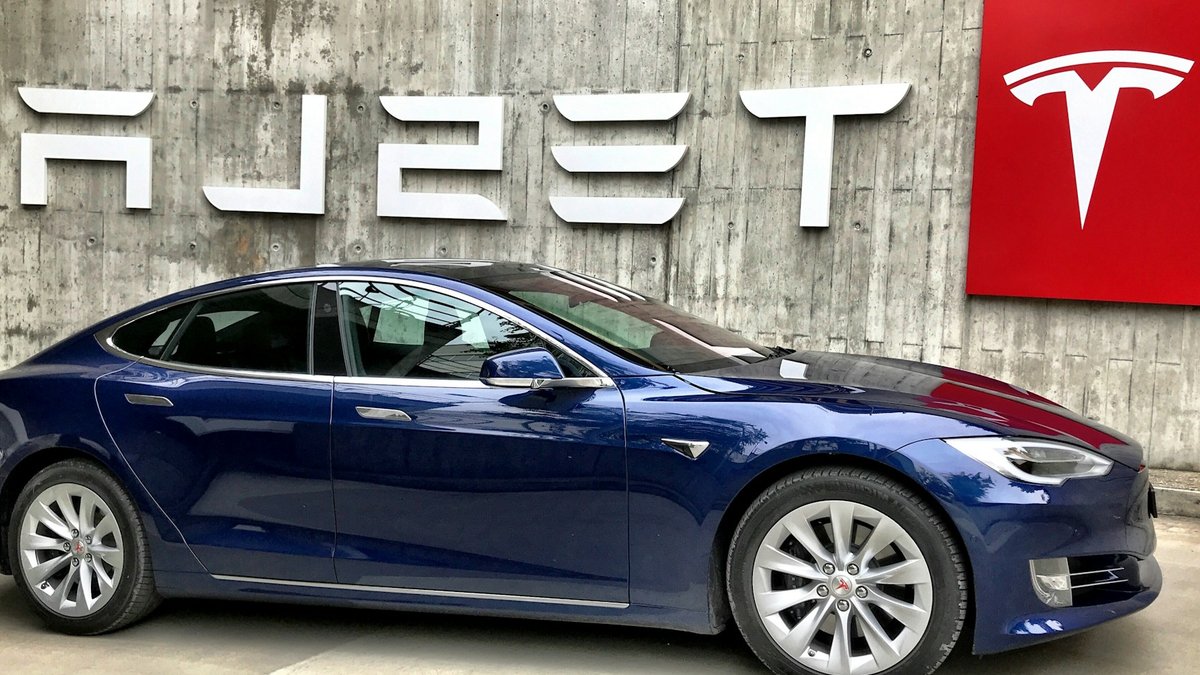
Tesla’s European deliveries continued to fall in early 2026, extending a slowdown that began the previous year. The decline has pushed the automaker far from its former dominance in the electric vehicle market.
After delivering roughly 235,000 vehicles across Europe in 2025, a drop from 326,000 in 2024, early registration data for January indicates the trend is worsening. While official figures from the European Automobile Manufacturers’ Association won’t be released until mid-month, preliminary reports show Tesla failing to rank among the top five battery-electric vehicle sellers in major markets.
Sharp declines in key European markets
In France, registrations fell 42% year-over-year to 661 units. Norway, once a stronghold for the brand, saw an 88% plunge to just 83 vehicles. Sweden and Denmark posted modest gains, but these were not enough to offset losses elsewhere. Some analysts estimate the January decline could reach 50% in certain regions compared to the same period last year.
Related: 5 Things Never to Do With a Rental Property
The drop follows a pattern Tesla has attributed to a “wave” effect, where deliveries spike at the end of each quarter. However, the year-over-year comparison for January suggests the issue goes beyond timing.
An aging lineup and shifting consumer sentiment
A study by consulting firm Escalent found that 38% of European respondents now see Tesla as less innovative than before. The Model S and Model X ended production in summer 2026 with no replacements announced. That leaves the refreshed but still aging Model 3 and Model Y as the main sales drivers.
Labor disputes in Scandinavia and public backlash against CEO Elon Musk’s political statements have also damaged the brand. Organized protests and calls for boycotts have emerged in Germany and Sweden, where some buyers now view Tesla as misaligned with local values.
Meanwhile, Chinese automakers are gaining ground. BYD, now the world’s largest seller of battery-electric vehicles, saw European sales jump 268% in 2025. Brands like NIO and XPeng are also expanding, with the XPeng P7+ debuting at the Brussels Motor Show in January. The new model directly targets buyers who once defaulted to the Model 3.
Related: Flutterwave Acquires Mono to Expand Open Banking in Africa
Tesla’s challenges extend beyond Europe. The expiration of the $7,500 U.S. federal EV tax credit in September 2025 created a surge in third-quarter sales, followed by a sharp drop in the fourth quarter.
BYD sold 4.27 million vehicles in 2024, surpassing Tesla’s revenues for the first time. The Chinese automaker’s $107 billion in annual revenue outpaced Tesla’s $97.7 billion. In 2011, Musk had dismissed BYD as a serious competitor. Now, it is expanding aggressively into international markets.
For now, Tesla’s European sales show a simple reality: the automaker that once defined the EV market is no longer the default choice. With Chinese rivals moving faster and offering lower prices, regaining that position will be difficult.

5 Things Never to Do With a Rental Property


