


Distributors Weigh China Market Entry Options
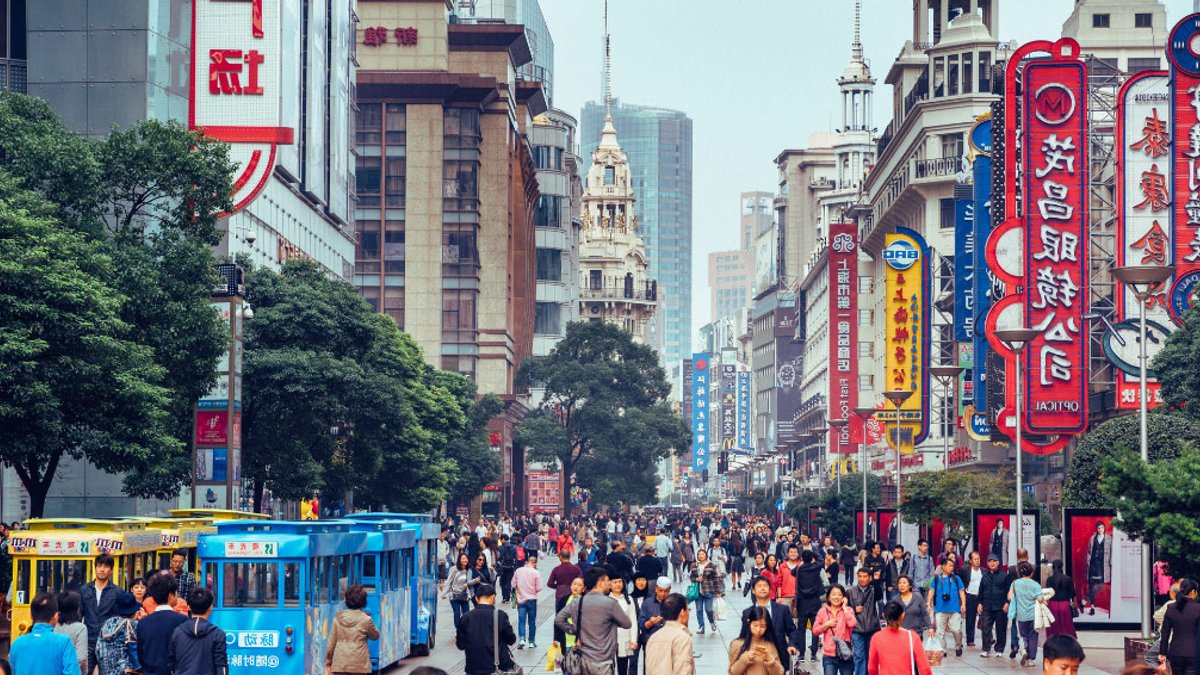
Trade professionals who have spent years importing goods from China now face a new decision point: whether to continue sourcing generic products or to represent an emerging Chinese brand in their home market.
Three ways to bring Chinese products to your market
Before contacting any partner, firms must decide which model they intend to build. The options differ in required skills and potential margins.
Generic sourcing involves buying goods and competing on price, availability, and speed. It is quick to start, but the advantage fades as soon as another importer finds the same factory.
Private label lets a company customize a product and control packaging, compliance, and customer relationship. While more defensible, it places the full cost and risk of building demand on the importer.
Brand distribution means representing an existing Chinese brand through a defined channel—e‑commerce, wholesale, regional retail, or B2B. The importer inherits the brand’s development and identity, adding only the market access the brand cannot achieve on its own.
Related: International Trade: Roles and Career Paths
Why brand distribution changes the game
When an importer sources a commodity, the supplier mainly cares about order size and payment terms. When the importer asks to represent a brand, the brand effectively hires the partner to protect its reputation in a market it cannot see clearly. Evaluation criteria shift accordingly.
Chinese brands typically weigh four factors: channel access, after‑sales capability, compliance readiness, and brand‑building ability. They also look for a repeat‑order logic that shows a credible plan for sustained sell‑through. The cheapest offer no longer appears on the list.
Brands structure overseas cooperation in three ways. Non‑exclusive distribution lets a partner buy and resell without territory exclusivity, useful for testing a new brand. A regional exclusive agency gives a partner exclusive rights to a defined territory in exchange for sales targets and market development.
A common mistake is demanding regional exclusivity on day one. From the brand’s side, that reads as high risk unless the partner can back it up with a clear channel plan and milestones.
Preparing a distributor profile
Before reaching out, firms should draft a written distributor profile that reframes the conversation from “give me your best price” to “here is the market access I bring.” The profile should include a channel map naming specific retailers, e‑commerce platforms, or dealers; a clear statement of category fit; target buyers and regions; compliance readiness with local certifications; launch and first‑order logic; and an after‑sales plan covering returns, warranty, and support.
Compliance and landed‑cost homework remain essential. Importers must classify the product correctly under the Harmonized System, confirm duty exposure, and fix Incoterms using the latest ICC rules. Local certification—whether SFDA, INMETRO, NOM, BIS, SNI, CE/UKCA, or FCC—must match the exact model to be sold.
Related: Birth Injury Attorney: Protecting Families and Pursuing Justice for Newborns
Modeling true landed cost should include freight, customs brokerage, storage, returns, replacements, marketplace fees, and warranty expenses before quoting a shelf price.
They must act quickly.
Winning rights with a test‑market structure
The strongest way to earn distribution rights is to propose a staged structure that de‑risks the brand. This includes providing samples and exact model specifications, a small, well‑documented first order with clear compliance paperwork, and a written support and reporting process outlining service handling and sell‑through data sharing.
Only after these steps are completed should the conversation move to larger territory or exclusivity, tied to specific milestones. This approach proves operational discipline and gives the brand a reason to choose the partner over one who simply asks for exclusivity and a discount.
In short, sourcing from China and representing a Chinese brand are distinct businesses. The gap between them widens as Chinese companies invest in global brand expansion. Importers who treat a brand as a cheap supplier will continue to fight on price, while distributors or agents who do the homework—crafting a channel map, compliance plan, and staged test‑market offer—position themselves for durable partnerships that generate repeat sales and defensible territory.

Indonesia market entry tips from expert


